Supporting Male Wellness Through Natural Choices

Explore evidence-based information about natural supplements, healthy habits, and lifestyle approaches for men's vitality and daily energy.

Learn More About Our Approach

Introduction to Active Lifestyle and Male Wellness

Modern men face unique challenges in maintaining energy, focus, and vitality throughout their daily routines. From demanding work schedules to personal commitments, finding balance requires a thoughtful approach to wellness.

An active lifestyle encompasses more than just physical movement. It includes mindful nutrition choices, quality rest, stress management, and understanding how natural supplements may support your body's needs. This holistic view recognizes that male wellness is multifaceted.

Building sustainable habits takes time and patience. Small, consistent changes in daily routines often yield more lasting benefits than dramatic overhauls. Whether you're looking to enhance your energy levels, support mental clarity, or simply feel more comfortable in your own body, the journey begins with informed choices.


Man engaging in active lifestyle activities

The Role of Natural Supplements for Men's Comfort

Natural supplements have been used for centuries across different cultures to support various aspects of health and wellness. Today, these traditional approaches are being examined through the lens of modern nutritional science.

For men specifically, certain vitamins, minerals, and botanical extracts may help support energy production, muscle recovery, and overall physical comfort. These supplements are not intended to replace a balanced diet but rather to complement healthy eating habits.

Understanding what different supplements offer can help you make informed decisions. Key nutrients like zinc, magnesium, and vitamin D play important roles in male physiology. Herbal extracts such as ashwagandha, fenugreek, and saw palmetto have been studied for their potential to support various aspects of men's wellness.

It's important to approach supplementation responsibly, considering your individual needs, lifestyle, and any existing health considerations. Consulting with nutrition specialists can provide personalized guidance tailored to your specific situation.

Natural supplements and vitamins arrangement

Vitamins and Nutrients for Daily Energy and Endurance

Energy production at the cellular level depends on a complex interplay of vitamins and minerals. B vitamins, particularly B12 and B6, play crucial roles in converting food into usable energy. Vitamin D supports muscle function and may influence overall vitality.

Minerals such as magnesium and zinc are involved in hundreds of enzymatic reactions throughout the body. Magnesium supports muscle relaxation and recovery, while zinc contributes to normal metabolism and may support various aspects of male physiology.

Antioxidants like vitamin C and E help protect cells from oxidative stress, which can accumulate during physical activity or periods of mental strain. Coenzyme Q10 is another nutrient that supports cellular energy production.

Iron, though needed in smaller amounts for men than women, remains essential for oxygen transport throughout the body. Adequate iron levels support endurance and help prevent fatigue during physical activities.

A varied, nutrient-dense diet provides the foundation for these essential vitamins and minerals. Supplements may help fill gaps when dietary intake is insufficient or when specific needs are elevated due to lifestyle factors.

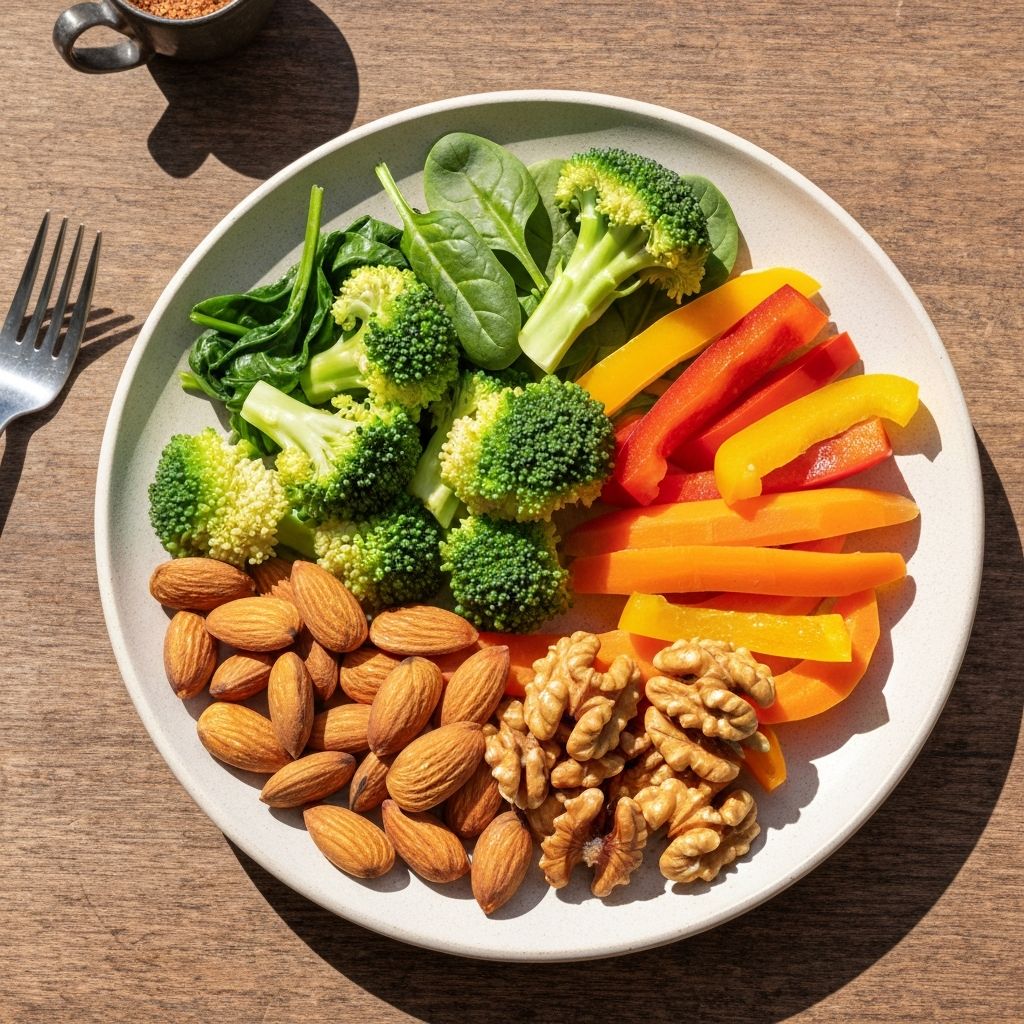
Nutritious foods and supplements for energy

Daily Routines for Inner Confidence and Vitality

Building confidence starts with consistent daily practices that support both physical and mental wellness. Morning routines set the tone for the entire day. Consider starting with hydration, light stretching, or a few minutes of mindful breathing before diving into your schedule.

Physical activity doesn't need to be intense to be beneficial. A brisk walk, bodyweight exercises, or yoga can all contribute to improved mood, energy levels, and self-assurance. Regular movement supports cardiovascular health and helps manage stress hormones.

Nutrition plays a fundamental role in how you feel throughout the day. Balanced meals with adequate protein, healthy fats, and complex carbohydrates provide sustained energy. Avoiding excessive sugar and processed foods helps prevent energy crashes.

Sleep quality directly impacts vitality and confidence. Establishing a consistent sleep schedule, creating a dark and cool sleeping environment, and limiting screen time before bed all contribute to restorative rest.

Social connections and meaningful activities also support inner confidence. Engaging in hobbies, maintaining friendships, and pursuing personal interests contribute to a sense of purpose and wellbeing.

Man following healthy daily routine

Stress Management Through Breathing Exercises

Breathing is something we do automatically, yet conscious breathing exercises offer powerful tools for managing stress and promoting calm. When stress triggers the body's fight-or-flight response, controlled breathing can activate the relaxation response.

Box breathing, used by athletes and professionals alike, involves inhaling for four counts, holding for four, exhaling for four, and holding again for four. This simple technique can be practiced anywhere and helps regulate the nervous system.

Diaphragmatic breathing, or belly breathing, engages the diaphragm fully and encourages complete oxygen exchange. This type of breathing can lower heart rate and blood pressure, promoting a sense of ease.

The 4-7-8 technique involves inhaling through the nose for four counts, holding for seven, and exhaling completely through the mouth for eight. This pattern is particularly helpful for calming the mind before sleep or during anxious moments.

Regular practice of breathing exercises, even just five minutes daily, can build resilience against stress. These techniques don't require special equipment or settings, making them accessible tools for maintaining composure throughout the day.

Man practicing breathing exercises outdoors

Quick Relaxation Techniques for Focus and Calm

In our fast-paced world, having quick relaxation techniques at your disposal can make a significant difference in maintaining focus and composure. Progressive muscle relaxation involves tensing and releasing different muscle groups systematically, releasing physical tension.

Visualization exercises take just a few minutes but can shift your mental state. Imagining a peaceful scene or successful outcome engages the mind in a positive direction and can reduce anxiety.

The 5-4-3-2-1 grounding technique helps anchor you in the present moment. Identify five things you can see, four you can touch, three you can hear, two you can smell, and one you can taste. This sensory focus interrupts anxious thought patterns.

Brief stretching breaks throughout the day release physical tension and improve circulation. Even neck rolls, shoulder shrugs, or standing up and reaching overhead can refresh your mind and body.

Mindful tea or water breaks create natural pauses in your day. Taking three minutes to fully focus on the temperature, taste, and sensation of drinking provides a mini-meditation that requires no special training.

Peaceful relaxation and focus setting

Healthy Habits for Physical and Mental Balance

Balance between physical and mental health requires attention to multiple lifestyle factors. Regular physical activity supports mental health through the release of endorphins and the reduction of stress hormones. Finding activities you genuinely enjoy increases the likelihood of consistency.

Nutrition affects mood and cognitive function. Omega-3 fatty acids from fish or plant sources support brain health. Complex carbohydrates provide steady glucose to the brain. Adequate protein intake supports neurotransmitter production.

Social connections and community involvement protect against feelings of isolation. Whether through sports teams, hobby groups, or volunteer work, meaningful social engagement contributes significantly to mental wellbeing.

Limiting alcohol consumption and avoiding smoking support both physical and mental health. These substances can interfere with sleep quality, mood regulation, and overall vitality.

Regular health check-ups and open communication with healthcare providers ensure that any concerns are addressed promptly. Taking a proactive approach to wellness empowers you to make informed decisions about your health.

Balanced lifestyle activities

Nutrition Tips for Supporting Male Health

Male nutritional needs differ somewhat from women's, with considerations around muscle mass, metabolism, and specific nutrient requirements. Adequate protein intake supports muscle maintenance and repair, particularly important for active men or those engaged in strength training.

Healthy fats from sources like olive oil, nuts, avocados, and fatty fish support hormone production and cardiovascular health. These fats also aid in the absorption of fat-soluble vitamins like A, D, E, and K.

Fiber from vegetables, fruits, whole grains, and legumes supports digestive health and helps maintain stable energy levels throughout the day. Adequate fiber intake is also associated with cardiovascular wellness.

Staying well-hydrated is fundamental yet often overlooked. Water supports every bodily function, from temperature regulation to nutrient transport. Aim for consistent hydration throughout the day rather than large amounts at once.

Minimizing processed foods and focusing on whole food sources ensures you're getting nutrients in their most bioavailable forms. Colorful vegetables provide a wide array of vitamins, minerals, and phytonutrients that support overall health.

Healthy nutritious meal preparation

Supplements as a Recommendation After Information

After understanding the foundations of male wellness through lifestyle, nutrition, and daily habits, supplements may serve as complementary support for your health goals. They work best alongside, not instead of, healthy lifestyle choices.

Multivitamin complexes designed for men typically include higher amounts of certain nutrients like zinc, selenium, and B vitamins. These formulations aim to address common nutritional gaps in modern diets.

Herbal supplements like ashwagandha have been studied for their potential adaptogenic properties, which may help the body manage stress. Fenugreek extract is another botanical that has garnered interest for its nutritional properties.

Omega-3 supplements provide EPA and DHA fatty acids that support cardiovascular and cognitive function. For those who don't regularly consume fatty fish, supplementation offers an alternative source.

When considering supplements, quality matters. Look for products that have been third-party tested for purity and potency. Start with one supplement at a time to better understand how it affects you.

Remember that supplements are meant to complement a healthy lifestyle, not replace fundamental wellness practices. They work best when integrated into a broader approach that includes good nutrition, regular activity, and stress management.

Quality natural supplements display

Creating a Wellness-Friendly Home Environment

Your living space significantly influences your daily wellness habits. Creating an environment that supports healthy choices makes it easier to maintain beneficial routines without constant willpower.

In the kitchen, keep healthy snacks visible and easily accessible. Fresh fruits, nuts, and prepared vegetables make nutritious choices convenient. Store less healthy options out of sight or simply avoid purchasing them.

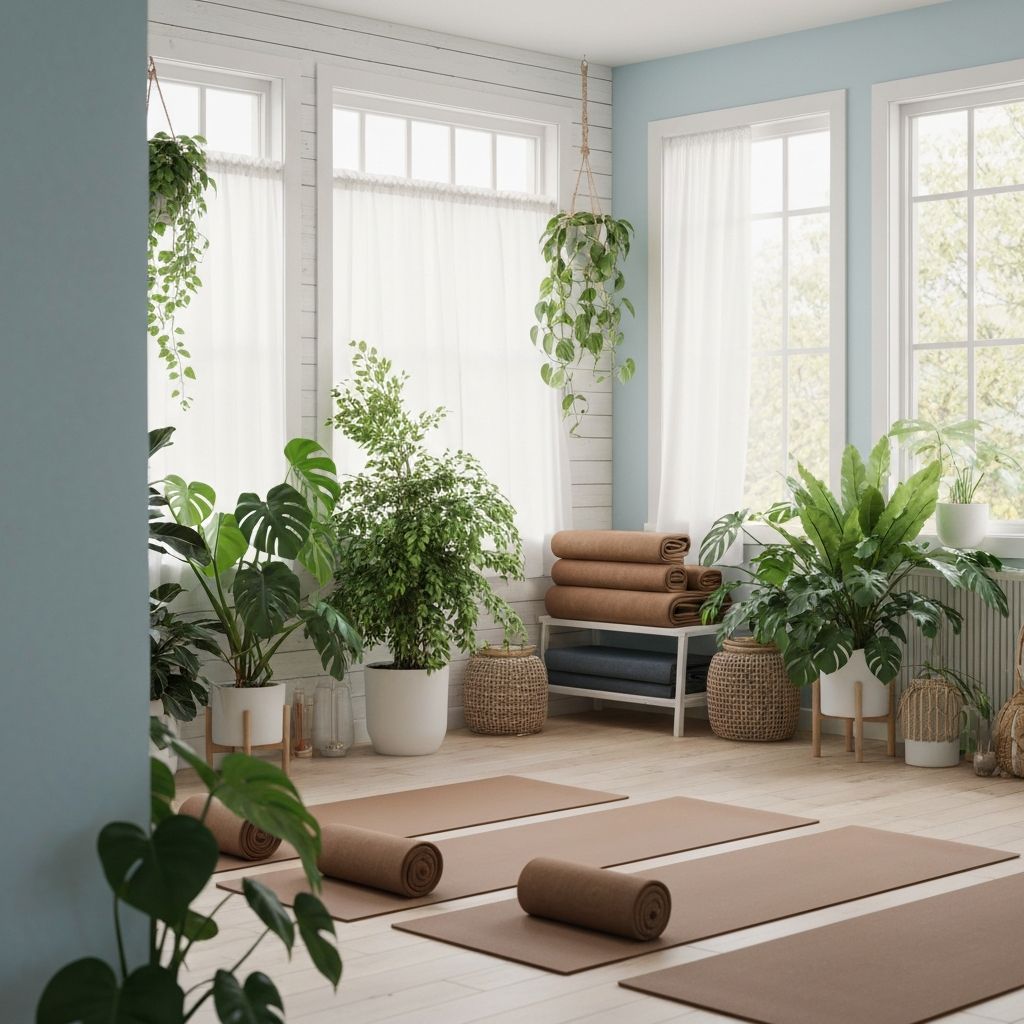
Designate a space for physical activity, even if it's just a corner with a yoga mat. Having a dedicated area removes one barrier to regular movement. Good lighting in this space can make morning or evening exercise more appealing.

The bedroom should be optimized for sleep: cool temperature, blackout curtains or eye masks, and removing electronic devices that emit blue light. Consider your bedroom a sanctuary dedicated to rest and recovery.

Create tech-free zones or times in your home. This might be the dining table during meals or the hour before bed. These boundaries support mindful eating, better sleep, and more meaningful personal connections.

Comfortable wellness-focused home space

Mindfulness and Focus Exercises

Basic Mindfulness Practices

Mindfulness is the practice of bringing your attention fully to the present moment without judgment. For men balancing multiple responsibilities, mindfulness offers a way to reduce mental clutter and improve decision-making.

Body scan meditation involves systematically bringing attention to different parts of your body, noting sensations without trying to change them. This practice, which can take as little as five minutes, enhances body awareness and promotes relaxation.

Mindful walking transforms a routine activity into a meditation. Focus on the sensation of your feet touching the ground, the rhythm of your breath, and the sights and sounds around you. This can be practiced during a commute or lunch break.

Single-tasking, though contrary to modern culture, significantly improves focus and reduces stress. When eating, just eat. When working on a task, fully engage with it before moving to the next. This approach enhances both productivity and satisfaction.

Man practicing mindfulness meditation

Advanced Focus Techniques

The Pomodoro Technique structures work into focused intervals, traditionally 25 minutes, followed by short breaks. This prevents mental fatigue and maintains high-quality concentration throughout the day.

Meditation apps and guided practices can help build a consistent mindfulness routine. Even three to five minutes of morning meditation can set a calm, focused tone for the entire day.

Journaling serves as a form of mindfulness, helping process thoughts and emotions. Writing down concerns can clear mental space and provide perspective on challenges.

Attention training exercises, such as focusing on a single point or sound for extended periods, strengthen your ability to direct and maintain focus. Like physical exercise, mental focus improves with consistent practice.

Focused work environment with natural light

Supporting Energy and Endurance Naturally

Sustainable energy comes from supporting your body's natural systems rather than relying on stimulants. Understanding the foundations of energy production helps you make choices that provide lasting vitality.

Consistent sleep schedules regulate circadian rhythms, improving both energy during waking hours and sleep quality at night. Even on weekends, maintaining similar sleep and wake times supports your body's natural patterns.

Balanced blood sugar through regular meals with protein, healthy fats, and complex carbohydrates prevents energy crashes. Avoiding long periods without food helps maintain steady energy levels.

Regular cardiovascular exercise actually increases energy levels over time by improving mitochondrial function and oxygen delivery throughout the body. Start gradually if you're not currently active.

Managing stress through the techniques discussed earlier prevents the energy drain that comes from chronic stress activation. Adaptogenic herbs and certain supplements may also support the body's stress response systems.

Limiting caffeine intake to morning hours and avoiding excessive consumption prevents interference with sleep and the energy crashes that can follow caffeine metabolism.

Active man with natural energy and vitality

Advice for Desk Workers

Sedentary work presents unique wellness challenges. Prolonged sitting affects circulation, posture, and energy levels. However, simple strategies can mitigate these effects even within a desk-based role.

The 20-20-20 rule helps prevent eye strain: every 20 minutes, look at something 20 feet away for 20 seconds. This simple habit reduces digital eye fatigue and provides a mental micro-break.

Standing or walking for a few minutes every hour improves circulation and reduces the negative effects of prolonged sitting. Consider a standing desk option or simply set reminders to move regularly.

Desk ergonomics significantly impact comfort and long-term health. Monitor height should place the top of the screen at or slightly below eye level. Chairs should support the natural curve of the spine.

Staying hydrated naturally encourages regular movement for bathroom breaks. Keep water easily accessible and aim for consistent intake throughout the day.

Desk exercises like seated spinal twists, shoulder rolls, and ankle circles can be done discreetly and help maintain mobility during long work sessions.

Ergonomic desk setup for wellness

Tips for Balancing Activity and Rest

The relationship between activity and rest is not oppositional but complementary. Both are essential for optimal health, performance, and overall wellbeing. Understanding how to balance these elements is key to sustainable vitality.

Active recovery days between intense workouts allow muscles to repair and adapt. Gentle activities like walking, swimming, or yoga on these days promote blood flow without adding stress.

Listening to your body's signals prevents overtraining and burnout. Persistent fatigue, irritability, or decreased performance indicate a need for more rest. Pushing through these signs can lead to extended recovery periods.

Quality rest includes both sleep and relaxation during waking hours. Scheduling downtime is just as important as scheduling workouts or work commitments. Rest is productive, not lazy.

Varying activity types prevents repetitive strain and maintains motivation. Combining cardiovascular exercise, strength training, flexibility work, and recreational activities creates a well-rounded approach.

Seasonal variations in activity levels are natural and acceptable. Being more active in summer and slightly less so in winter months aligns with natural rhythms. The key is maintaining some level of consistent movement year-round.

Person balancing exercise and relaxation

Responsible Use of Supplements

While supplements can support wellness goals, responsible use requires education and mindfulness. More is not always better, and supplements should enhance, not replace, healthy foundational habits.

Reading labels carefully helps you understand what you're taking. Look for third-party testing certifications, clear ingredient lists, and appropriate dosing information. Avoid products making exaggerated claims.

Starting with one supplement at a time allows you to assess its effects on your body. Introducing multiple supplements simultaneously makes it impossible to identify which may be beneficial or causing unwanted effects.

Consulting with nutrition specialists or healthcare providers before starting supplementation is especially important if you have existing health considerations or take other substances that might interact.

Cycling certain supplements or taking breaks allows you to assess whether they're providing benefits. Some supplements work best when used intermittently rather than continuously.

Storing supplements properly, following expiration dates, and taking them as directed ensures you receive their intended benefits. Keep them in cool, dry places away from direct sunlight.

Responsible supplement information and usage

Insights from Nutrition and Wellness Consultants

Nutrition and wellness consultants bring professional expertise to understanding how lifestyle factors interact to support male health. Their insights combine traditional wisdom with current nutritional science.

One consistent message from consultants is the importance of individualization. What works optimally for one person may not be ideal for another. Factors like age, activity level, stress, and personal goals all influence appropriate approaches.

Consultants emphasize gradual, sustainable changes over dramatic transformations. Small, consistent improvements in diet, activity, and sleep patterns accumulate into significant long-term benefits.

Understanding the relationship between gut health and overall wellness has become increasingly important. Fiber intake, fermented foods, and sometimes probiotic supplements support digestive health, which influences everything from mood to immune function.

Wellness consultants often highlight the overlooked importance of social connections and purpose in overall health. Isolation and lack of meaningful activity can undermine even the best nutrition and exercise programs.

Professional guidance can be particularly valuable during life transitions, whether starting a new fitness program, managing increased stress, or addressing specific health goals. Consultants provide accountability and expertise to navigate these changes effectively.

Professional wellness consultation setting

Ready to Learn More About Male Wellness?

Explore our comprehensive resources and discover how natural approaches can support your health journey.

Send an Information Request